Building a NY State Mass Timber Supply Chain
New York State stands uniquely poised to establish its own mass timber supply chain, addressing growing demand where the economic value generated by the global mass timber market is over US $9 billion in 2022. Presently, leading nations like Austria, Norway, Sweden, and Canada dominate the market by exporting high value cross laminated timber (CLT) and glulam.
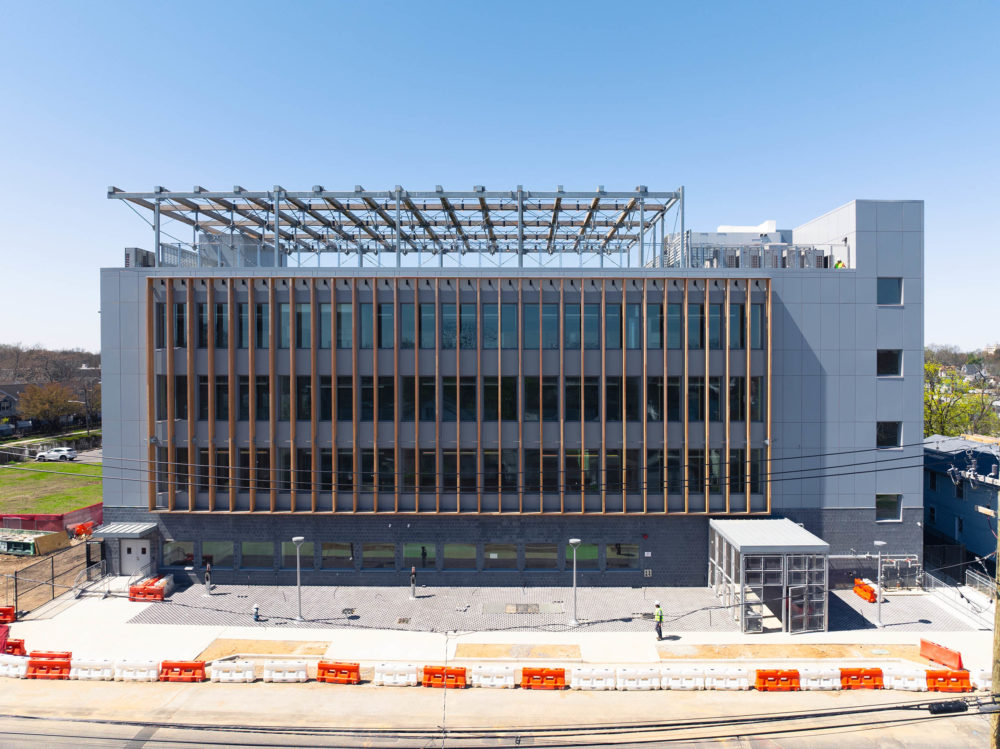
Projects such as the Evergreen Charter School in Hempstead demonstrate local appetite and viability, but also underscore the gap in local supply—Evergreen sourced its timber elements from Austrian manufacturers and the Pacific Northwest (PNW), highlighting lost economic opportunities for New York.
For the full white paper download below.
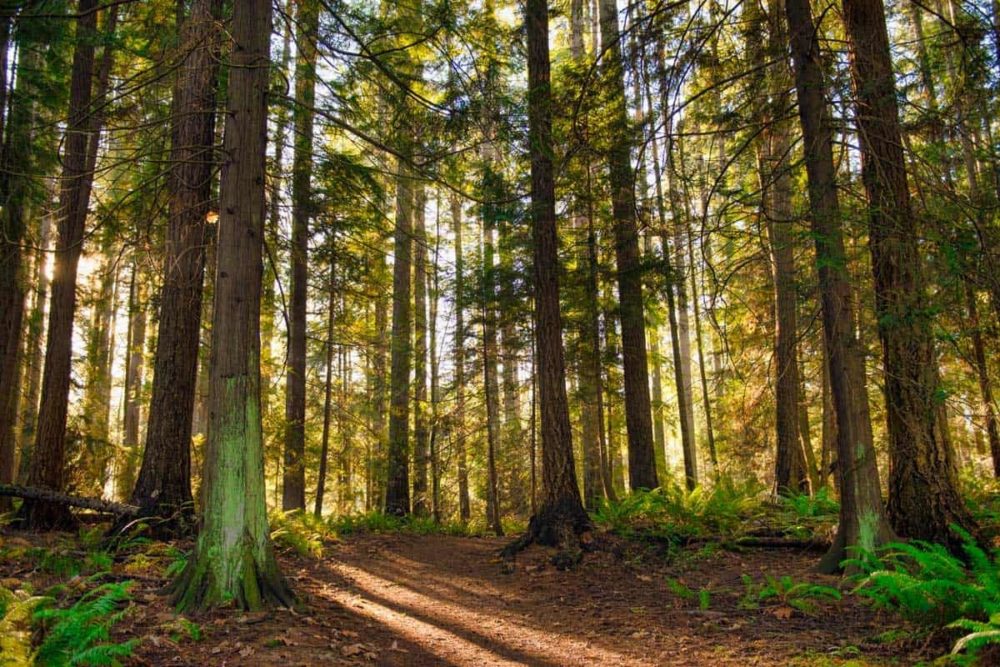
With forests covering 62% of its land area, New York has abundant resources—18.6 million acres—offering substantial potential to convert underutilized eastern white pine, hemlock, and spruce into higher value structural timber. This shift would reduce import dependency, lower embodied carbon, and create resilient rural jobs. A robust local supply chain would synergize directly with New York’s Climate Leadership and Community Protection Act (CLCPA), support Buy Clean procurement policies and cater to burgeoning demands in downstate urban housing and office retrofits and upstate urban renewal.
However, New York faces competition from regions like British Columbia, Oregon, and the Great Lakes, which have already developed mature timber ecosystems backed by favorable regulations and strong demonstration projects. New York's current reliance on imported timber introduces additional costs, risks, and delays, undermining the economic incentives that could otherwise unite urban developers and rural forest economies & communities.
Overcoming these challenges demands addressing market conservatism and regulatory hurdles. Developers accustomed to concrete and steel need clear evidence—through successful marquee projects—to shift to timber confidently. Additionally, New York City's stringent approvals process for timber construction, involving the Department of Buildings and FDNY, requires streamlined procedures to mitigate costly delays and foster developer confidence.
Creating a comprehensive statewide supply chain calls for strategic institutional collaboration. State agencies such as the Department of Environmental Conservation (DEC), NYSERDA, and Empire State Development (ESD) can align forestry management, incentives, and job creation initiatives. Institutions like SUNY ESF, Cornell University, and Rensselaer Polytechnic Institute offer critical expertise for advancing research in structural timber engineering, fire safety, and lifecycle analysis. These collaborations will drive innovation, establish workforce training programs, and underpin new industry standards.
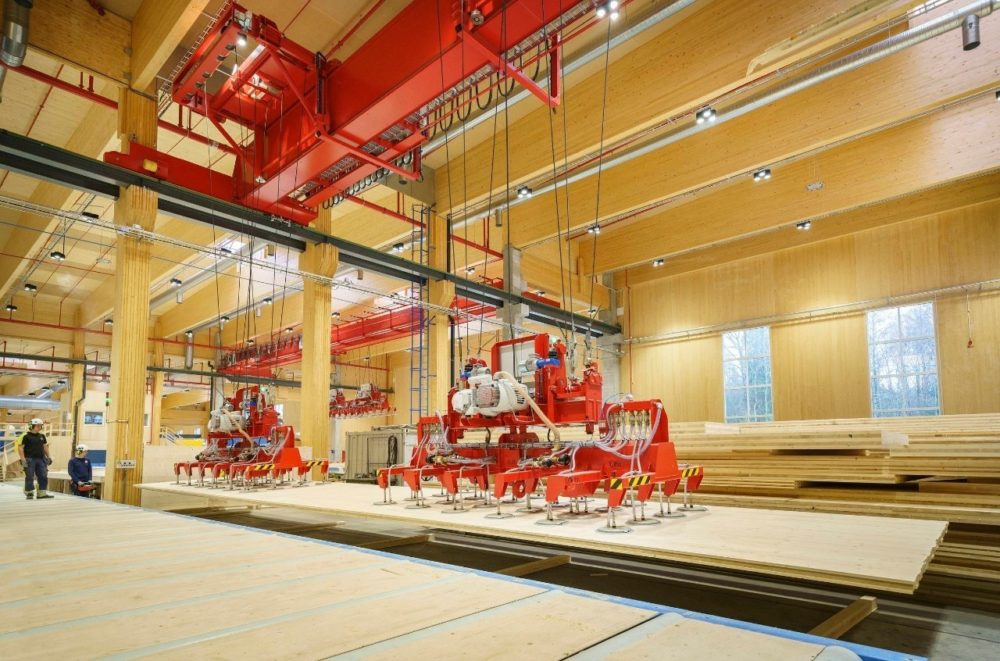
Job creation extends far beyond manufacturing facilities. A home-grown timber industry would stimulate employment in forestry stewardship, advanced CNC machining, logistics, and construction. The architectural, engineering, and construction sectors would gain timber specialized roles, from designers mastering BIM workflows and fire modeling to contractors employing digital fabrication specialists. Additionally, the establishment of reuse hubs for circular economy applications would create niche roles in reverse construction, material reclamation, and environmental compliance.
Future-facing technologies like digital material passports and blockchain enabled tracking can further accelerate market adoption and regulatory approvals, ensuring compliance and transparency across supply chains. AI driven grading and robotics for manufacturing and deconstruction processes promise enhanced productivity and sustainability. Tools like wearable robotics and augmented reality (AR) will expand workforce capacity, improving safety and accessibility, thus aligning timber jobs with equity and inclusion goals.
Ultimately, a New York State mass timber supply chain is more than an environmental or construction solution—it's an integrated economic development strategy linking urban growth to rural prosperity. By leveraging local resources, incentivizing innovation, and strategically aligning state agencies and institutions, New York can quickly transition from reliance on external suppliers to becoming a North American leader in sustainable, low carbon construction.